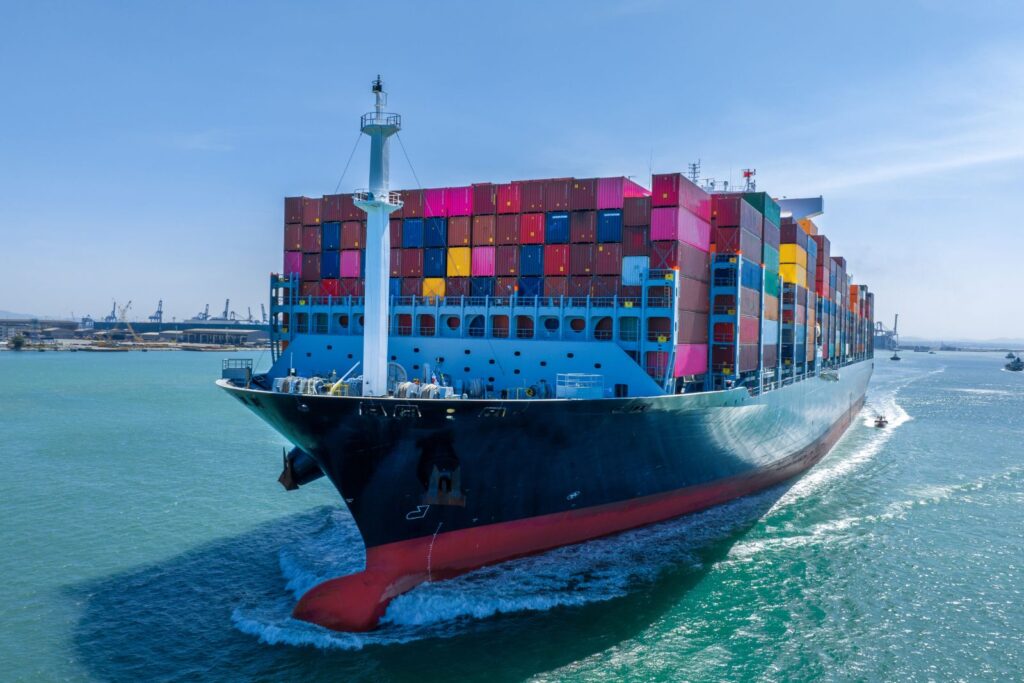
Germany is one of Australia’s strongest trade partners, supplying everything from machinery and vehicles to chemicals, pharmaceuticals, and high-quality manufactured goods. For Australian businesses, ensuring a smooth container import Germany Australia process is essential to keep supply chains running efficiently and cost-effectively.
However, importing containers across continents involves more than just shipping. Businesses face challenges such as customs documentation, biosecurity compliance, and choosing between full-container load (FCL) or less-than-container load (LCL) services. Without professional guidance, these complexities can delay shipments and increase costs.
That’s why many businesses turn to industry experts like EGL – Emerald Global Logistics. With years of experience in international container shipping, EGL provides tailored solutions to help businesses successfully manage their imports from Germany to Australia, ensuring reliability, compliance, and cost savings.
Germany is renowned for its engineering, manufacturing, and export expertise. Goods shipped from Germany often include:
Automobiles and spare parts
Industrial machinery and tools
Pharmaceuticals and chemicals
Electronics and precision instruments
Consumer goods and furniture
Efficient container imports ensure:
Cost-effectiveness through optimised shipping routes.
Reduced transit delays thanks to structured logistics.
Compliance with Australian customs & biosecurity laws.
Scalability for businesses managing large and small shipments.
Most common method for container import Germany Australia.
Ideal for bulk goods and heavy cargo.
Options include:
FCL (Full Container Load): Exclusive use of a 20ft or 40ft container.
LCL (Less than Container Load): Shared space with other shippers.
Transit times range between 35–50 days depending on the port of departure and arrival.
Used for urgent, high-value, or time-sensitive goods.
Transit time: 5–10 days.
More expensive than sea freight but ensures faster delivery.
A mix of sea, air, and road freight to balance speed and cost.
Beneficial for staggered or complex supply chains.
Supplier Pickup in Germany – Goods collected from factories or warehouses.
Container Booking – FCL or LCL chosen depending on shipment size.
Export Documentation – Commercial invoices, packing lists, and export clearance in Germany.
Transit – Goods shipped via sea or air to Australian ports.
Customs & Biosecurity Clearance – Compliance with tariffs, GST, and quarantine rules.
Final Delivery – Containers delivered to warehouses, retailers, or final destinations in Australia.
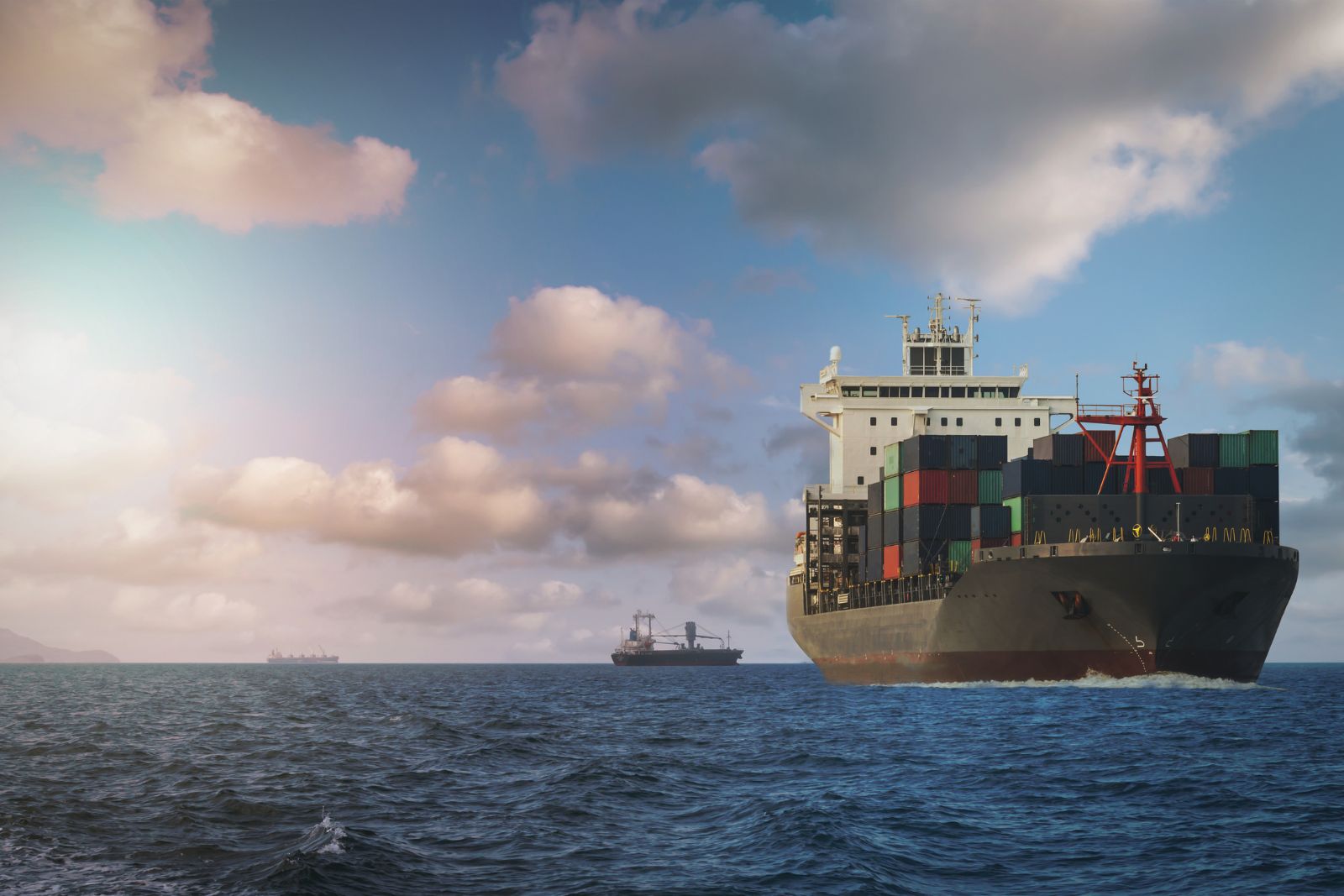
The cost of importing containers varies based on:
Container Type: 20ft, 40ft, FCL, or LCL.
Mode of Freight: Sea is cheaper than air.
Volume & Weight: Larger shipments reduce per-unit cost.
Origin Port in Germany: Hamburg, Bremerhaven, and others have different rates.
Destination in Australia: Sydney, Melbourne, Brisbane, or Fremantle may affect pricing.
Customs Duties & GST: Calculated on the value of goods plus freight costs.
💡 Tip: Businesses importing smaller shipments often save by using LCL consolidation.
At EGL – Emerald Global Logistics, we understand the complexities of international trade. Our clients benefit from:
End-to-End Solutions – From supplier pickup in Germany to final delivery in Australia.
Expert Customs Handling – Smooth clearance of goods with no hidden delays.
Competitive Rates – Partnerships with global carriers for cost-efficient shipping.
Flexible Options – FCL, LCL, sea, air, or multimodal transport.
Dedicated Support – Clear communication and proactive updates.
Learn more about our expertise on the About Us page.
Plan Ahead – Book space in advance during peak seasons.
Choose the Right Mode – Sea for cost efficiency, air for urgency.
Ensure Compliance – Meet all Australian customs and quarantine requirements.
Use Insurance – Protect shipments against loss or damage.
Partner With Experts – Work with logistics providers like EGL to reduce risk.
Incorrect documentation leading to customs delays.
Not factoring in GST and tariffs during budgeting.
Underestimating transit times from Europe to Australia.
Choosing unreliable carriers based only on low pricing.
Ignoring biosecurity laws which may cause cargo rejections.
Automotive Sector: Importing cars, engines, and spare parts.
Retail Industry: Furniture, homeware, and consumer electronics.
Industrial Machinery: Heavy-duty equipment for construction and manufacturing.
Healthcare: Pharmaceuticals and medical devices via air freight.
Agriculture: Specialised machinery imported in bulk containers.
By sea, it takes 35–50 days, while air freight takes 5–10 days.
FCL gives you a dedicated container, while LCL shares space with other shipments, reducing cost for smaller loads.
It depends on the goods. Import duties plus 10% GST are usually applied.
Yes, LCL shipping is ideal for SMEs importing smaller volumes.
Most goods don’t require a license, but some restricted categories may.
Managing container import Germany Australia requires more than just shipping — it demands planning, compliance, and reliable execution. From FCL and LCL bookings to customs clearance and final delivery, having an expert freight forwarder ensures smooth operations.
At EGL – Emerald Global Logistics, we help businesses across Australia streamline their supply chains with tailored, end-to-end container shipping solutions. Whether you’re importing cars, machinery, or pharmaceuticals, we’ve got the expertise to deliver.
👉 Ready to optimise your imports from Germany? Contact EGL today for expert support.