
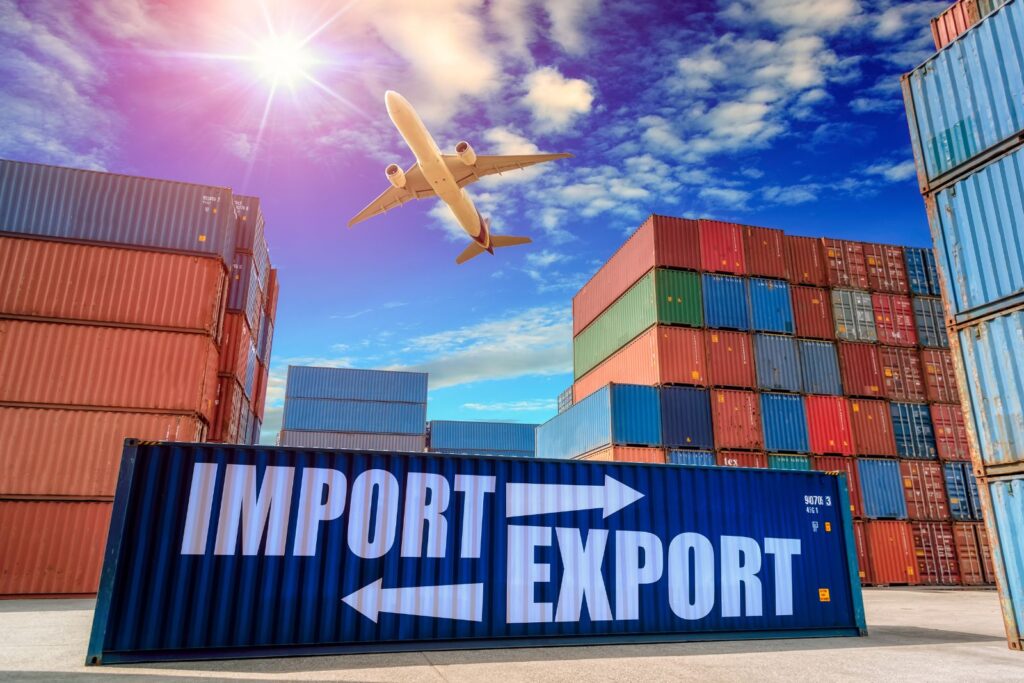
Whether you’re moving cargo across cities or shipping internationally, choosing the right container is critical for efficiency, compliance, and cost savings. Many Australian businesses struggle with understanding container specifications—including dimensions, weight limits, and types—which can lead to costly mistakes in freight planning.
That’s where container specifications in Australia come in. By knowing the standards and options available, businesses can select containers that fit their cargo type, ensure smooth logistics, and avoid compliance issues.
At EGL – Emerald Global Logistics, we help companies across Australia navigate container choices with ease. Our expertise ensures your shipments are optimised for both local and international freight requirements.
Using the right size container prevents underutilisation or overloading.
Australian freight rules require adherence to strict weight and dimension limits.
Choosing the correct container reduces freight costs by maximising load efficiency.
Specialised containers protect sensitive goods such as perishables or hazardous materials.
Shipping containers in Australia follow ISO standards, ensuring compatibility worldwide. Below are the most common container types.
External Dimensions: 6.06m (L) x 2.44m (W) x 2.59m (H)
Capacity: ~33.1m³
Max Gross Weight: 24,000 kg
Best for: General cargo, small loads, heavy goods.
External Dimensions: 12.19m (L) x 2.44m (W) x 2.59m (H)
Capacity: ~67.7m³
Max Gross Weight: 30,480 kg
Best for: Bulkier goods, furniture, and consolidated freight.
Height: 2.89m (adds 30cm compared to standard).
Capacity: ~76.3m³ for a 40-foot HC.
Best for: Light but voluminous cargo (e.g., textiles, machinery).
Equipped with refrigeration units.
Maintains temperatures between -30°C to +30°C.
Best for: Perishables, pharmaceuticals, and food-grade products.
No sides, with collapsible ends.
Best for: Oversized cargo like vehicles or construction equipment.
Cylindrical stainless-steel tanks in a frame.
Best for: Bulk liquids, chemicals, and food-grade liquids.
Is it general, hazardous, perishable, oversized, or liquid cargo?
Compare cargo volume with container cubic capacity.
Certain rail or road routes in Australia have weight/height restrictions.
Match the cargo to the right container for compliance and safety.
👉 At EGL – Emerald Global Logistics, we help businesses match their cargo with the best container specifications to save costs and ensure smooth delivery.

Several factors affect container shipping costs:
Container size (20ft vs. 40ft).
Cargo type (standard vs. hazardous).
Domestic vs. international routes.
Seasonal demand.
20ft container (domestic): $2,500 – $4,000 AUD.
40ft container (domestic): $4,000 – $6,500 AUD.
International shipping: $5,000 – $12,000 AUD, depending on route.
Always confirm weight limits to avoid fines.
Inspect containers for damage before loading.
Use pallets or dunnage for safer packing.
Label hazardous cargo clearly to comply with regulations.
Plan multimodal logistics (road, rail, sea) to save time and costs.
Choosing a container too large or too small for the shipment.
Ignoring road weight limits in Australia.
Using non-refrigerated containers for perishable goods.
Failing to clean containers between loads (especially for food-grade cargo).
Partnering with inexperienced freight providers.
Retail: High cube containers for bulky, lightweight goods.
Agriculture: Reefer containers for fruits, vegetables, and meat.
Mining & Construction: Flat racks for heavy equipment.
Chemical Industry: Tank containers for liquid chemicals.
E-commerce: Standard 20ft containers for consolidated cargo.
At EGL – Emerald Global Logistics, we’ve supported businesses in Melbourne, Sydney, Brisbane, and beyond by providing the right container solutions tailored to industry needs.
The most common containers are 20ft and 40ft standard ISO containers.
High cube containers are 30cm taller, allowing more volume for light, bulky goods.
No, perishable goods require a refrigerated container (reefer).
A 20ft container has a maximum gross weight of 24,000 kg.
Yes, EGL provides tailored logistics and container solutions for businesses across Australia.
Understanding container specifications in Australia is essential for efficient, safe, and cost-effective freight movement. From 20ft dry containers to refrigerated or tank options, each has its role in optimising cargo shipping.
At EGL – Emerald Global Logistics, we provide end-to-end container freight solutions to help businesses move goods seamlessly across Australia and globally.
👉 Ready to ship with confidence? Contact EGL today and get expert advice on the best container specifications for your cargo.