
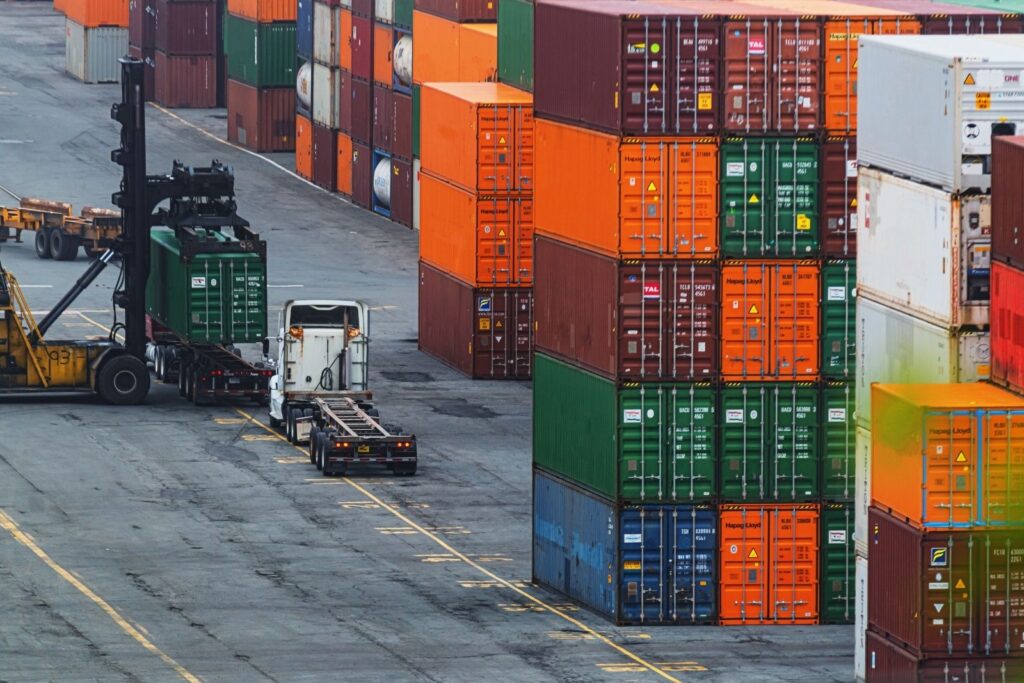
When businesses need to move goods efficiently across cities, states, or even continents, dry container shipping remains the most cost-effective and versatile option. From consumer goods and textiles to electronics and raw materials, dry containers are the backbone of global trade. But with so many logistics providers and options available, many companies struggle to understand which solutions best fit their needs.
This is where dry container freight makes the difference. Designed for general cargo that doesn’t require temperature control, dry containers ensure safe, secure, and scalable transport. Whether you’re moving a small shipment or large-scale cargo internationally, this method provides flexibility and cost savings.
At EGL – Emerald Global Logistics, we specialise in helping Australian businesses streamline their supply chains through tailored container shipping solutions. With years of experience in domestic and international freight, EGL ensures your cargo arrives on time, in full, and hassle-free.
A dry container is a standardised, sealed steel container used to transport non-perishable goods. It is the most common type of shipping container in use today.
Available in 20ft, 40ft, and 40ft High Cube sizes.
Built for general cargo like textiles, plastics, electronics, and furniture.
Suitable for road, rail, and sea freight.
Designed to keep goods secure from weather, theft, and contamination.
The most affordable way to move large volumes of goods domestically or internationally.
Can handle almost any cargo type—except refrigerated, hazardous, or oversized goods.
Compatible with ports, trucks, and rail networks worldwide.
Lockable, sealed units ensure your cargo remains protected throughout the journey.
Available as Full Container Load (FCL) or Less than Container Load (LCL), depending on your shipment size.
Identify goods, volume, and shipping requirements.
Choose between FCL or LCL shipping options.
Cargo is palletised or packed securely inside the container.
The container is moved via truck or rail to the designated port or terminal.
Goods are transported to the final destination using international shipping lines or domestic carriers.
Cargo is unloaded at destination, cleared through customs, and delivered to the consignee.

The price of dry container freight depends on:
Container size (20ft vs 40ft).
Shipment mode (FCL vs LCL).
Origin & destination (domestic vs international).
Market rates (fuel, port fees, carrier capacity).
Domestic (20ft container hire in Australia): $100 – $200/day.
International (20ft container freight): $2,000 – $4,000 AUD.
International (40ft container freight): $3,500 – $6,500 AUD.
👉 At EGL – Emerald Global Logistics, we provide customised container shipping quotes to suit your cargo type, route, and budget.
Use pallets and shrink wrap for added stability.
Label cargo clearly for easy handling.
Distribute weight evenly to avoid container imbalance.
Insure high-value shipments for added protection.
Work with experienced freight forwarders to avoid customs delays.
Overloading containers beyond their maximum capacity.
Poor cargo packing, leading to damage during transit.
Not factoring in demurrage and detention charges.
Selecting the wrong shipment type (FCL vs LCL).
Ignoring import/export compliance requirements.
Retail Imports: Clothing and electronics from Asia to Australia.
Manufacturing Supply Chains: Machinery parts moved across domestic hubs.
E-commerce Exports: Furniture and packaged goods shipped to overseas markets.
Project Cargo: Raw materials for construction transported nationwide.
At EGL – Emerald Global Logistics, we’ve supported industries from retail to mining with scalable container shipping solutions. Learn more about us here.
General goods like textiles, electronics, machinery, and furniture.
Standard dry containers come in 20ft, 40ft, and 40ft High Cube.
Yes, it is the most common method for global trade.
Between $2,000 – $6,500 AUD internationally, depending on size and route.
Yes, EGL offers tailored dry container shipping solutions across Australia and beyond.
For businesses that need reliable, cost-effective, and flexible freight solutions, dry container shipping remains the gold standard. From small shipments to large-scale exports, dry containers provide security, scalability, and worldwide compatibility.
At EGL – Emerald Global Logistics, we help companies in Australia optimise their supply chains with end-to-end dry container freight solutions. Whether you need domestic delivery or international cargo movement, our experts ensure seamless logistics every step of the way.
👉 Ready to move your goods with confidence? Contact EGL today for expert dry container shipping services.