
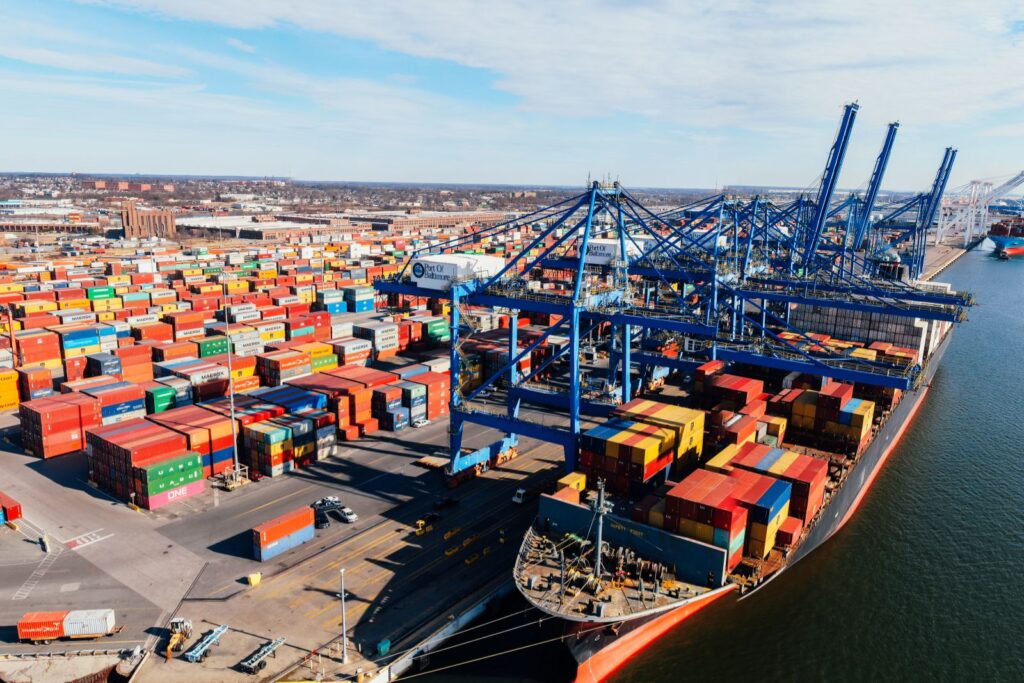
Trade between Indonesia and Australia has grown rapidly, fuelled by strong economic partnerships, the Indonesia–Australia Comprehensive Economic Partnership Agreement (IA-CEPA), and rising demand for manufactured and agricultural products. Businesses in Melbourne, Sydney, Brisbane, and beyond now rely heavily on efficient freight solutions to ensure goods move seamlessly between these two nations.
However, managing freight Indonesia to Australia involves more than just booking space on a vessel or plane. Importers and exporters must handle customs requirements, shipping schedules, biosecurity inspections, and cost considerations. Any oversight can result in delays, fines, or damaged goods.
That’s where an experienced logistics partner becomes essential. At EGL – Emerald Global Logistics, we provide tailored end-to-end solutions for international freight forwarding, helping Australian businesses move goods from Indonesia with speed, reliability, and compliance.
Strategic Location: Indonesia is Australia’s closest Asian neighbour, making it a key trading partner.
Diverse Goods: Imports include textiles, footwear, machinery, furniture, electronics, and food products.
Economic Partnership: The IA-CEPA agreement reduces tariffs and opens opportunities for businesses.
Growing Market Demand: Melbourne and Sydney serve as major entry hubs for Indonesian goods.
FCL (Full Container Load): Best for bulk cargo such as machinery, furniture, and building materials.
LCL (Less than Container Load): Cost-effective for small to medium shipments.
Special Containers: Refrigerated (reefer) containers for perishable goods like seafood or fruits.
Transit Time: Typically 12–22 days depending on port of origin and destination.
Fastest option with transit times of 2–6 days.
Ideal for urgent, high-value, or fragile cargo.
More expensive but ensures timely delivery.
Combining sea, air, and road transport to balance speed and costs.
Often used by businesses with complex supply chain needs.
Cargo Pickup in Indonesia – Collection from supplier’s warehouse or factory.
Export Documentation – Invoices, packing lists, certificates of origin, and customs declarations.
International Freight Transport – Goods shipped via sea or air.
Customs Clearance in Australia – Processed through Australian Border Force (ABF) and biosecurity checks.
Duties & GST – Imports typically attract 5% duty (depending on product) plus 10% GST.
Final Delivery – Goods transported from the port or airport to warehouses, retailers, or final customers.

Several factors influence pricing:
Mode of Transport: Sea freight is cheaper for bulk goods; air freight costs more but is faster.
Cargo Volume: Full container loads (FCL) are more economical per unit than LCL.
Product Type: Certain commodities (e.g., hazardous goods or perishables) may incur additional handling fees.
Origin & Destination Ports: Costs vary depending on whether cargo departs Jakarta, Surabaya, or other ports.
Insurance: Strongly recommended to protect goods against damage or loss.
💡 Tip: Consolidating smaller shipments with an experienced freight forwarder can significantly reduce costs.
Customs Expertise: Avoid costly delays with correct documentation and clearance.
Time Efficiency: Faster handling of logistics from pickup to delivery.
Cost Optimisation: Tailored solutions to match shipment size and urgency.
Supply Chain Transparency: Real-time tracking and reliable reporting.
Risk Reduction: Minimise risks with proper handling, packaging, and insurance.
At EGL – Emerald Global Logistics, we specialise in customised freight solutions that help businesses import and export smoothly. Learn more on our About Us page.
Book Early: Secure shipping space in advance during peak seasons.
Understand Biosecurity Laws: Australia has strict agricultural and food import regulations.
Use Correct HS Codes: Proper classification ensures accurate duties and GST.
Choose the Right Freight Option: Match your budget, urgency, and cargo type.
Insure Valuable Cargo: Protection against unexpected loss or damage.
Incomplete Documentation: Can delay customs clearance.
Ignoring Biosecurity Requirements: Leads to quarantines or fines.
Underestimating Transit Times: Sea freight can take up to 3 weeks.
Focusing Only on Price: Cheapest freight isn’t always the most reliable.
Poor Packaging: Results in damaged goods, especially on sea routes.
Furniture Importer: Shipped full container loads (FCL) from Surabaya to Melbourne to stock retail outlets.
Food Distributor: Used refrigerated containers to import tropical fruits from Jakarta while meeting biosecurity standards.
SME Clothing Retailer: Reduced costs by using LCL consolidation for smaller shipments.
Typically 12–22 days, depending on port and destination.
Freight charges, customs duties, GST, insurance, and handling fees.
Yes, LCL shipping is ideal for SMEs with smaller cargo volumes.
Most goods don’t require one, but restricted items (chemicals, pharmaceuticals, etc.) may.
Air freight delivers goods in 2–6 days.
Navigating freight Indonesia to Australia requires balancing speed, cost, and compliance with customs and biosecurity rules. By working with an experienced logistics partner, businesses can ensure goods arrive safely and on schedule.
At EGL – Emerald Global Logistics, we provide complete freight forwarding solutions, from sea and air freight to customs clearance and last-mile delivery.
👉 Contact EGL today to streamline your freight operations and grow your business with confidence.