
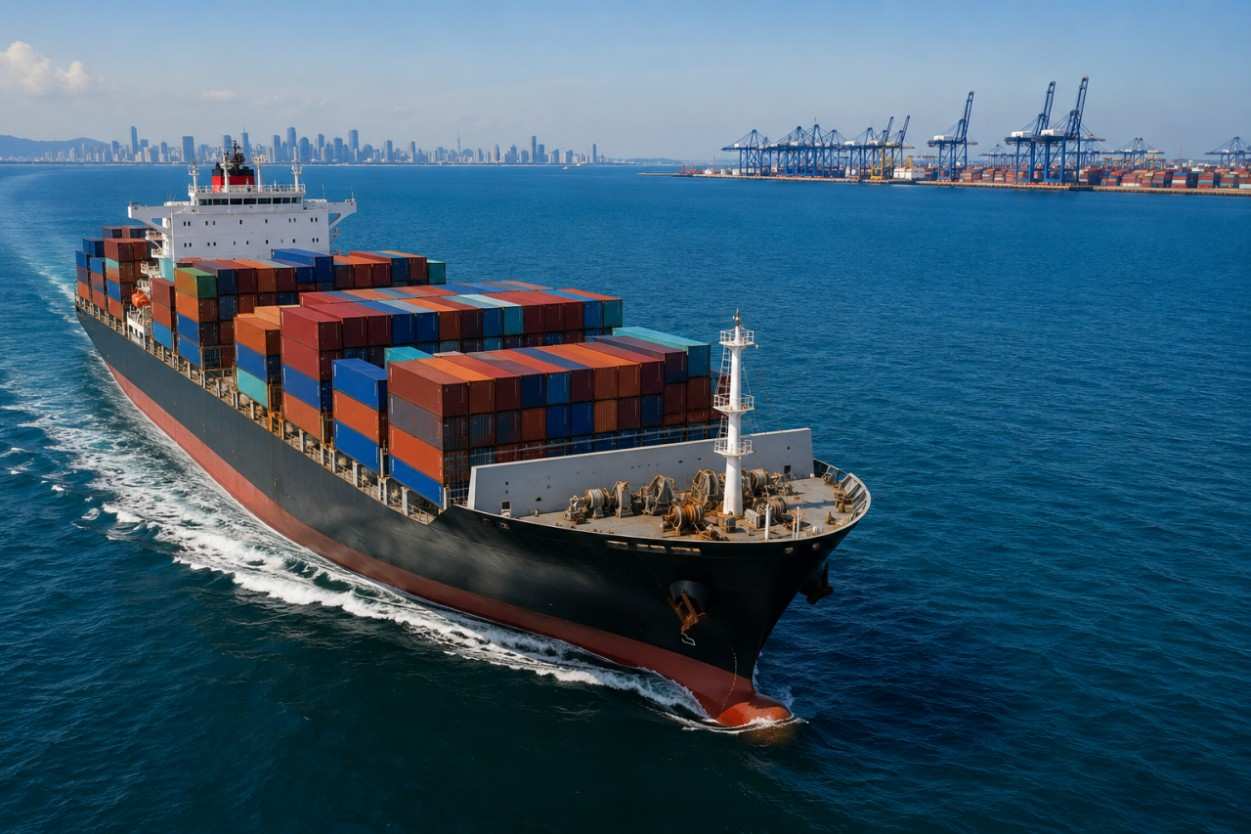
Shipping containers from China to Australia is one of the most common import routes for Australian businesses, and the costs involved can vary considerably depending on size, timing, and the services you choose. Understanding what drives those costs helps you budget accurately and avoid surprises at the port. Emerald Global Logistic has helped Melbourne businesses manage this route efficiently and cost-effectively. Here is a complete breakdown.
Key Takeaways
- A 20ft container from China to Australia typically costs between USD $1,500 and $3,500 depending on route and season.
- FCL is more cost-effective than LCL once your shipment exceeds around 14 to 15 CBM.
- Fuel surcharges, peak season pricing, and port fees all add to the base freight rate.
- Australia imports over AUD $82 billion worth of goods from China annually, making this the most active trade lane in the country.
Why This Trade Lane Matters
China is Australia’s largest trading partner by a significant margin. According to the Department of Foreign Affairs and Trade (DFAT), total two-way goods and services trade between Australia and China reached $326 billion in 2025, representing 25 per cent of Australia’s total goods and services trade. For importers, this means the China to Australia shipping lane is well-served by multiple carriers, offering a range of pricing and service options.
Understanding where your money goes on this route is essential for planning accurate landed costs and staying competitive in your local market.
20ft vs 40ft: What Does Each Container Cost?
Container size is the most significant driver of base freight costs. There are two primary options:
- 20ft Container (1 TEU): Suitable for approximately 25 to 28 CBM of cargo. In 2025, port-to-port rates from major Chinese ports to Sydney or Melbourne typically ranged between USD $1,500 and $3,500 depending on season and route.
- 40ft Container (1 FEU): Suitable for approximately 55 to 60 CBM of cargo. Rates generally ran between USD $2,500 and $4,800 port-to-port. While more expensive in absolute terms, the cost per CBM is lower, making it more economical for larger shipments.
These figures cover the ocean freight component only. Destination charges, customs clearance, and inland delivery are additional costs that need to be factored in to arrive at a true landed cost.
FCL vs LCL: Which Is Right for You?
Full Container Load (FCL) and Less than Container Load (LCL) are the two main shipping modes for sea freight, and they serve very different needs.
- FCL: FCL means your goods occupy the entire container. It offers a sealed, tamper-proof environment, faster transit times, and lower per-CBM costs once you reach the break-even point of around 14 to 15 CBM.
- LCL: LCL means your cargo shares space with other shippers’ goods. It suits smaller shipments below 12 CBM. LCL rates generally sit between USD $50 and $130 per cubic metre for the China to Australia lane, though charges at both origin and destination consolidation depots add to the total.
Container freight Melbourne services at Emerald Global Logistic cover both FCL and LCL options, with tailored advice on which model suits your cargo volume and budget.
Additional Costs to Include in Your Budget
The base ocean freight rate is just the starting point. When planning a shipment from China to Australia, you should account for the following:
- Origin Charges: Documentation fees, container handling at Chinese ports, and booking surcharges typically add USD $150 to $400 per container.
- Destination Charges: Port handling, container unpack, and wharfage at Sydney, Melbourne, or Brisbane typically add AUD $400 to $750 per container.
- Customs Clearance: A licensed customs broker charges AUD $150 to $350 per entry. This is a required cost for all commercial imports.
- Import Duties and GST: Most goods from China attract 10% GST on the total import value (goods plus freight plus insurance). Duty rates vary by product type but range from 0% to 10% for most categories. Some products benefit from reduced tariffs under ChAFTA.
- Biosecurity (DAFF) Fees: The Department of Agriculture imposes inspection fees that vary by commodity type. Allow AUD $50 to $200 per shipment.
- Fuel Surcharges: Carriers add a Bunker Adjustment Factor (BAF) to most shipments. This typically adds 10 to 20% to the base ocean freight rate and fluctuates with global oil prices.
The China Australia Free Trade Agreement and Duties
The China Australia Free Trade Agreement (ChAFTA) can significantly reduce the import duty payable on eligible goods. Most goods imported from China to Australia that meet the relevant rules of origin are now duty-free or attract reduced rates. This can make a meaningful difference to your total landed cost, particularly for categories like electronics, clothing, furniture, and manufactured goods.
To claim ChAFTA preferences, you or your customs broker must ensure the goods comply with the applicable rules of origin and present the required documentation at the border.
How Season and Market Conditions Affect Pricing
Container shipping rates are not fixed. They move in response to supply and demand, global events, carrier capacity management, and broader season and market conditions. Understanding these factors can help importers plan shipments more effectively and avoid unexpected freight cost increases. Key seasonal patterns to be aware of on the China to Australia lane include:
- Chinese New Year (January to February): Factory closures create a pre-holiday surge followed by a lull. Book early if your shipment needs to move before or immediately after the holiday period.
- Golden Week (October): A period of elevated shipping demand as factories rush to fulfil end-of-year orders ahead of the Australian retail season.
- Peak Season Surcharges: Carriers commonly apply peak season surcharges of 15 to 25% during high-demand periods, particularly October through February.
- General Rate Increases (GRI): Carriers announce GRIs when rates are below sustainable levels or when market conditions create pressure on available shipping capacity. These increases can add USD $200 to $400 per TEU with relatively short notice.
Transit Times on This Route
Transit time affects your overall cost of holding inventory. Typical sea freight transit times from China to major Australian ports range from 14 to 30 days depending on the origin port and whether the service is direct or transhipped. General cargo from Shanghai to Sydney can take 20 to 25 days via sea freight, with additional time required for customs clearance and inland delivery once goods arrive at port.
For planning purposes, most Melbourne and Sydney importers allow 6 to 8 weeks from cargo ready date in China to final delivery at their warehouse.
Choosing the Right Freight Partner
The cost of your shipment is also shaped by who you choose to manage it. A licensed freight forwarder with strong carrier relationships can often secure better rates than booking directly. More importantly, an experienced forwarder manages documentation, customs clearance, and any issues that arise at the border or port. An end-to-end service can simplify your supply chain and reduce hidden costs.
Key questions to ask any freight forwarder include:
- Are they licensed and registered with the relevant Australian authorities?
- Do they have experience with your specific commodity type and Chinese origin port?
- What does their all-in quote include, and what is excluded?
- Can they provide references from Australian importers on this lane?
Conclusion
Shipping costs from China to Australia depend on far more than just the ocean freight rate. Getting the full picture before you commit to a purchase order is essential for protecting your margins. If you are ready to plan your next container shipment or would like a detailed cost breakdown for your specific cargo, contact us today and our team will provide a transparent, competitive quote tailored to your needs.
FAQs:
How much does it cost to ship a 20ft container from China to Australia?
In 2025, a 20ft container typically costs between USD $1,500 and $3,500 for the ocean freight component, before destination charges and customs.
How long does container shipping from China to Australia take?
Standard sea freight takes 14 to 30 days depending on the Chinese origin port and the Australian destination port.
What is the difference between FCL and LCL shipping?
FCL means you fill the entire container. LCL means your cargo shares space with other shippers’ goods, suited to smaller volumes.
Do I have to pay import duty on goods from China to Australia?
Most commercial goods attract 10% GST and a duty rate of 0% to 10%. ChAFTA may reduce or eliminate duty on eligible products.
What Australian ports receive container ships from China?
Sydney (Port Botany), Melbourne, Brisbane, Fremantle, and Adelaide all receive regular container services from major Chinese ports.
What extra costs should I budget for beyond the ocean freight rate?
Budget for destination charges, customs clearance, import duty, GST, biosecurity fees, fuel surcharges, and inland delivery to your warehouse.