
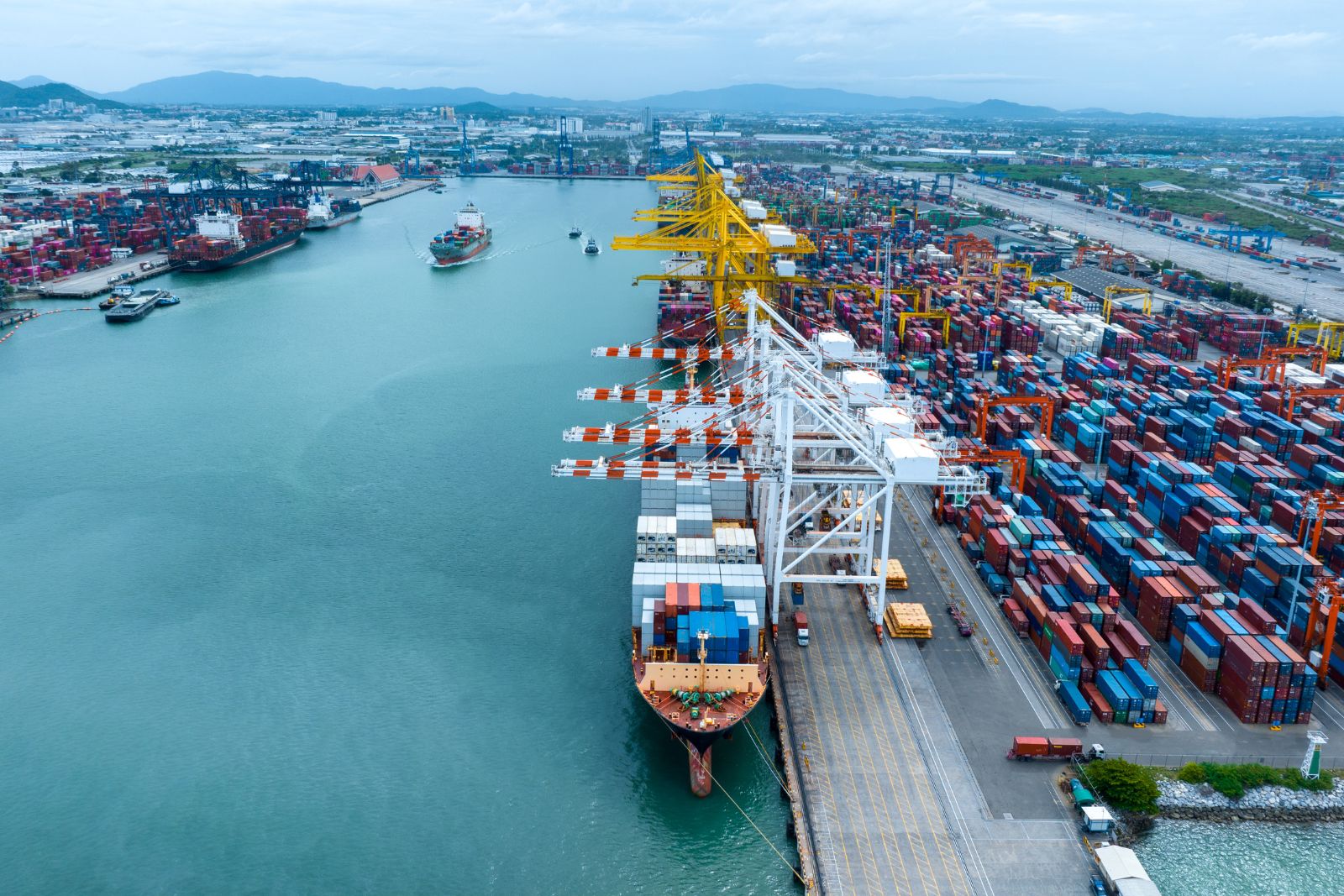
Navigating port operations in Melbourne can be complex for businesses shipping goods locally or internationally. From customs clearance to cargo handling, missing a single step can lead to delays, additional costs, or compliance issues. Understanding port procedures in Melbourne is essential for smooth logistics operations.
At EGL – Emerald Global Logistics, we help businesses streamline their shipping processes by offering expert guidance on cargo handling, customs documentation, and port compliance. In this guide, we’ll cover essential procedures, step-by-step instructions, common mistakes to avoid, and best practices for efficient port operations. Whether you’re an exporter, importer, or freight forwarder, this guide ensures your shipments move safely and efficiently through Melbourne’s ports.
Why Understanding Port Procedures is Crucial (H2)
Efficient port management ensures that your shipments are handled correctly, saving time and costs. Key benefits include:
- Reduced delays: Proper documentation and compliance speed up clearance.
- Cost efficiency: Avoid fines and demurrage charges.
- Cargo safety: Minimise risk of damage or theft.
- Regulatory compliance: Meet Australian and international shipping standards.
EGL – Emerald Global Logistics provides tailored solutions to help businesses navigate port operations with ease, ensuring cargo moves without complications.
Key Port Procedures in Melbourne (H2)
Understanding each stage of the port process helps businesses prepare for smooth cargo handling.
1. Documentation & Customs Clearance (H3)
- Bill of Lading (BOL): Official document proving cargo ownership.
- Customs Declaration: Required for imported and exported goods.
- Commercial Invoice & Packing List: Ensure accurate item description and quantity.
2. Container Handling & Inspection (H3)
- Containers are checked for structural integrity and correct sealing.
- Customs may inspect high-risk shipments to ensure compliance.
- Digital scanning systems may be used for faster inspections.
3. Freight Handling & Storage (H3)
- Cargo is unloaded, sorted, and stored in secure terminals.
- EGL ensures proper coordination between transport providers and port authorities.
- Use of forklifts and automated systems reduces handling errors.
4. Transportation & Delivery (H3)
- After clearance, cargo is transferred to trucks or trains.
- Accurate scheduling prevents delays and reduces storage fees.
- Tracking systems provide real-time updates on shipment location.
Step-by-Step Guide: How Port Procedures Work (H2)
- Pre-Shipment Preparation: Verify documents, label cargo, and schedule transport.
- Arrival at Port: Containers are registered and assigned storage or inspection points.
- Customs Clearance: Submit necessary documentation and pay duties if applicable.
- Container Inspection: Customs and port authorities perform checks for compliance.
- Loading or Unloading: Cargo is moved safely using cranes and forklifts.
- Delivery: Transported to warehouse or client location with tracking confirmation.
Common Mistakes to Avoid (H2)
- Incorrect or incomplete documentation.
- Late arrival of cargo at the port.
- Ignoring customs regulations for specific goods.
- Failing to schedule inspections or transport in advance.
- Using unverified logistics partners.
Best Practices for Smooth Port Operations (H2)
- Plan ahead: Schedule shipments and inspections early.
- Use experienced partners: Companies like EGL provide expertise in Melbourne port operations.
- Double-check documents: Ensure all customs forms are accurate.
- Track cargo: Use GPS and digital tracking systems to monitor shipments.
- Staff training: Educate employees on port compliance and handling procedures.
Costs and Pricing Insights (H2)
Port-related costs vary depending on cargo type and shipping requirements:
- Port fees: $50–$500 per container depending on size.
- Customs duties & taxes: Calculated based on cargo value.
- Storage & handling: $20–$150 per day if cargo remains at the port.
- Inspection fees: $50–$200 for manual or digital inspections.
Investing in proper procedures prevents fines and ensures cost-effective shipping.
Use Cases & Examples (H2)
Scenario 1: A Sydney exporter partnered with EGL to manage customs and container inspection, reducing clearance time by 30%.
Scenario 2: A Melbourne-based importer avoided demurrage fees by planning transport and scheduling port appointments efficiently with EGL’s guidance.
FAQs (H2)
Q1: How long does customs clearance take in Melbourne?
A1: Typically 24–72 hours, depending on cargo type and documentation accuracy.
Q2: Do I need an agent to handle port procedures?
A2: While not mandatory, using experts like EGL ensures compliance and reduces delays.
Q3: Can digital tracking improve port efficiency?
A3: Yes, GPS and container tracking help monitor shipments and prevent delays.
Q4: Are there extra fees for container inspection?
A4: Some inspections may incur fees, especially for high-risk or non-compliant cargo.
Q5: What documents are essential for port clearance?
A5: Bill of Lading, customs declaration, commercial invoice, and packing list.
Conclusion & Call-to-Action (H2)
Understanding port procedures in Melbourne is essential for smooth cargo handling, timely delivery, and cost-effective logistics. From documentation to customs clearance and transportation, following best practices reduces risks and delays.
If you’re ready to streamline your port operations and enhance shipping efficiency, contact EGL today for expert support: Contact Us.
Learn more about our services at Home or discover our company background on About Us.